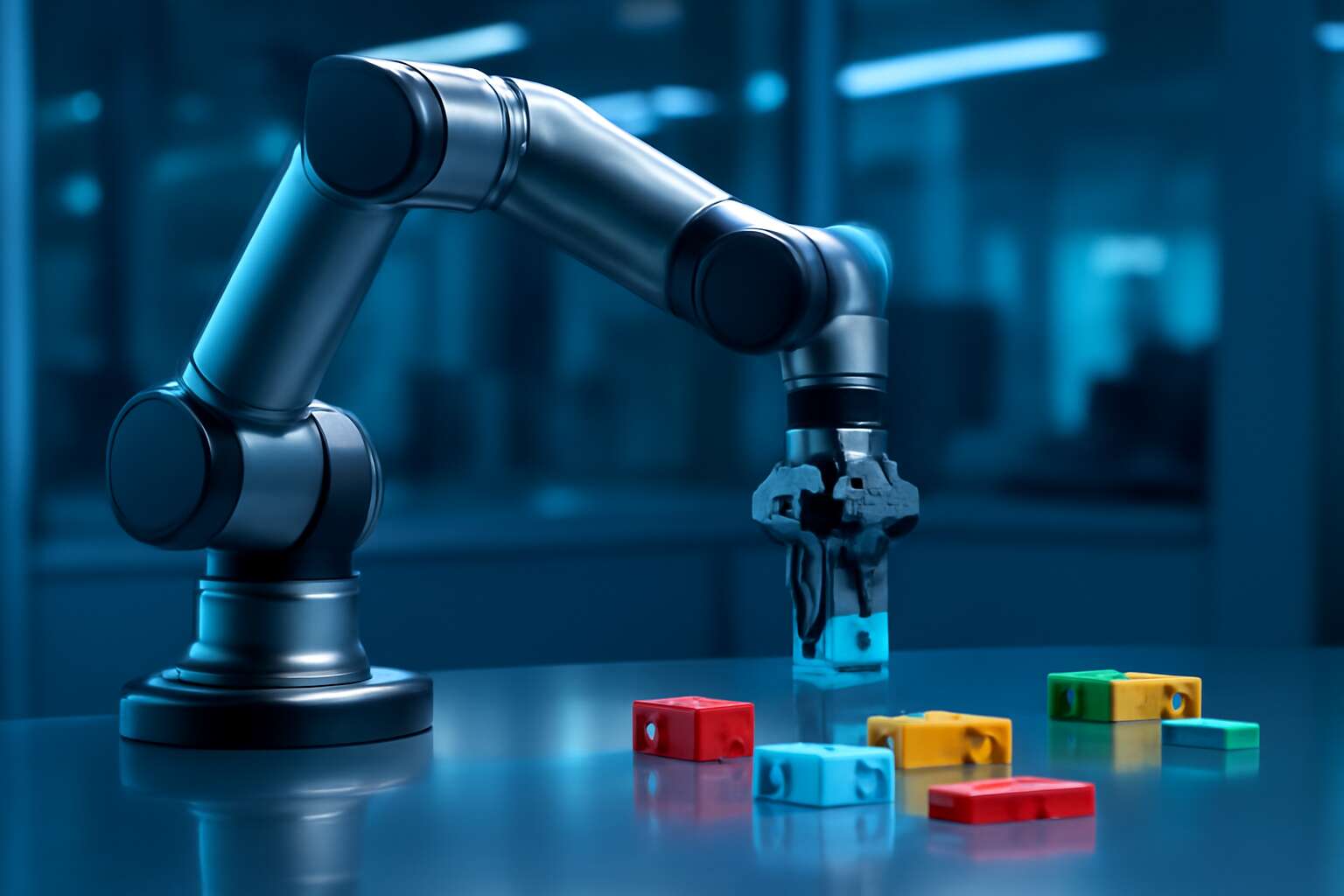
Robotics overview and key topics
Foundations of robotics
Robotics is rewriting how we build, move, and imagine the ordinary. In South Africa’s universities, factories, and start-up hubs, this rising robotics subject is turning complexity into efficiency, blending precision with a touch of wonder. When machines learn to sense, decide, and act in concert with people, the result is not cold automation but a choreography of progress that feels almost magical—and practical.
Foundations of robotics rest on a few essential pillars: perception through sensors and vision, planning and decision-making, precise control, and reliable actuation. Start with the basics of motion and balance, then consider safety, ethics, and how humans and robots collaborate. This framework helps teams build systems that are robust, adaptable, and ready to tackle real-world tasks in SA industry and beyond.
Robotics in industry and real-world applications
The robotics subject is evolving into a practical poetry: machines that listen, decide, and assist alongside people. In South Africa, pilots across factories, farms, and clinics show how automation can elevate precision without dampening human ingenuity. This field invites us to imagine workflows as choreographies—efficient, adaptable, and surprisingly humane. As automation becomes embedded in daily work, organizations balance speed with safety and ethical considerations, crafting systems that feel collaborative rather than controlling!
Key applications and topics are visible in the following sectors:
- Manufacturing and logistics automation inside SA warehouses and plants
- Mining safety and remote operation for hazardous environments
- Agricultural robotics for precision farming and livestock monitoring
- Healthcare support and assistive robotics in clinics
These threads tie into safety, reliability, ethics, and human–robot collaboration as they play out in South Africa’s varied industries, from mining to logistics and healthcare.
Robot design, development, and testing
In a South African industry that never truly rests, the robotics subject rewrites workflows with quiet poetry. Machines listen, decide, and assist, turning dull cadence into a careful choreography. “The machine learns the rhythm of the room,” a seasoned engineer murmurs, and the workshop seems to exhale with new clarity.
Robot design, development, and testing drift between dream and daylight: form follows function, yet function learns from failure. Designers blend steel with sensors, farmers with clinicians, and the hush of late-night debugging becomes a ritual. Digital twins and robust simulations whisper warnings before a bolt is turned.
- Ideation and constraint mapping
- Digital simulation and iterative prototyping
- Real-world testing and calibration
- Safety, ethics, and collaboration assessment
Ethics, risk, and the future of robotics
Across South Africa’s workshops and farms, the robotics subject is no longer a distant prospect but a steady companion in daily work. Productivity gains, safer corridors, and a quieter clock are redefining mornings. A seasoned plant manager once said, “Technology doesn’t steal our hands; it frees our touch to trust.” In these rooms, machines listen, adapt, and assist, turning routine grind into deliberate choreography.
Ethics and risk walk alongside ambition. As automation grows, questions of safety, privacy, and accountability become daily conversations in boardrooms and village halls alike. The future of robotics is collaborative: people and machines learning together, guided by clear governance and humane design that values dignity, data stewardship, and community resilience.
- Ethical decision-making in autonomous systems
- Robust safety and risk management
- Inclusive growth for rural communities
These threads form a hopeful path where innovation serves people as surely as gear and code.



0 Comments