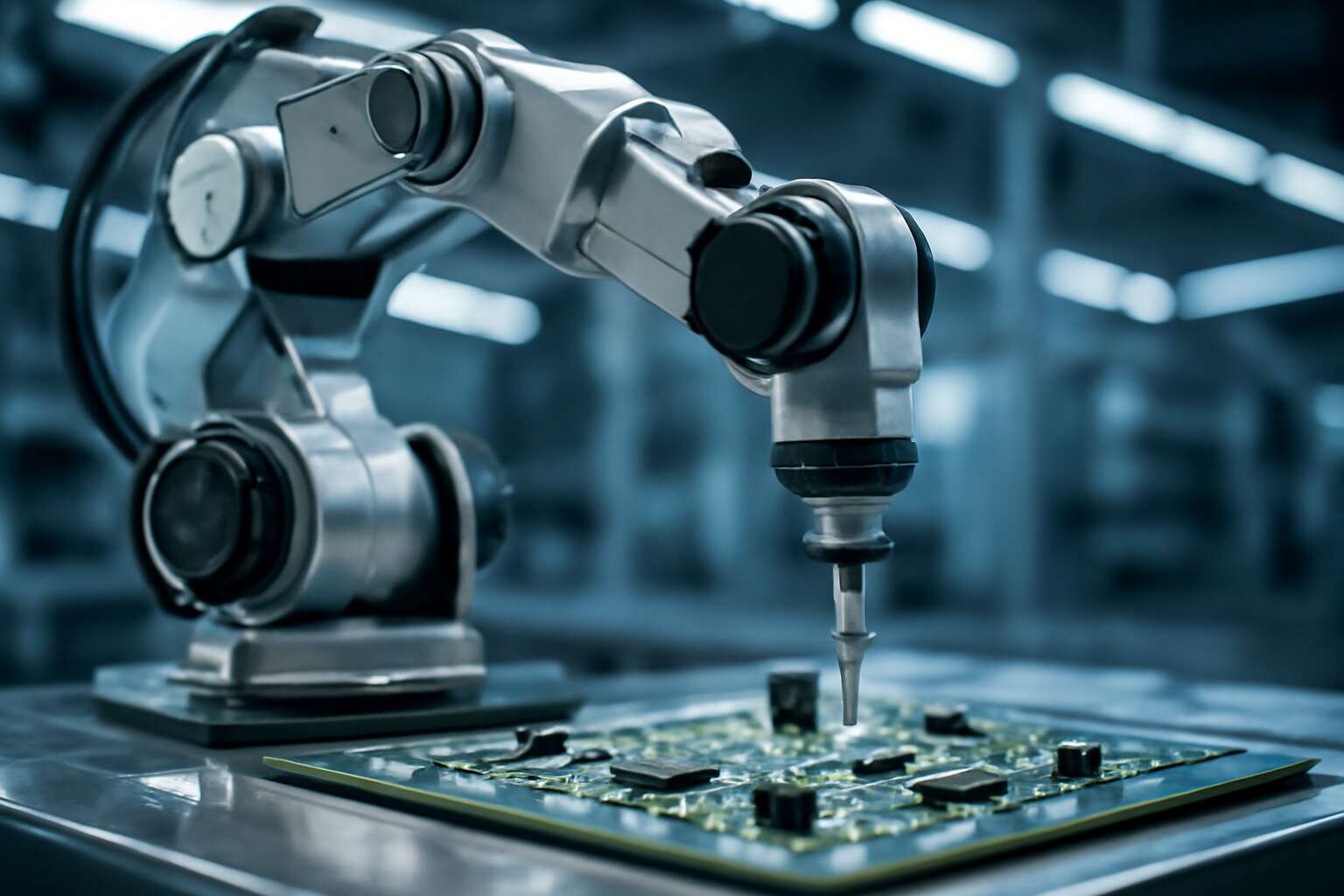
Core components for robotic systems
“Reliability is the new currency,” says a veteran engineer on a Cape Town factory floor, as robotics hardware begins gliding into life with surprising precision. On South African shop floors, that rhythm signals more than speed—it signals resilience, efficiency, and a future where every task is choreographed by intelligent components.
Core components for robotic systems fuse power, perception, and control into a cohesive whole.
- Actuators and drives
- Sensors and perception
- Control systems and logic
- Power and energy management
Together, these pieces form a robust foundation for any ambitious project, revealing how the system becomes more than metal—it becomes a reliable partner on the factory floor.
Design considerations for robotic hardware
Design is where automation earns its keep. In South Africa’s factories, the right focus turns rugged realities into steady output. The goal is not novelty but durability, ease of maintenance, and predictable performance under load. With careful choices, robotics hardware becomes a steady partner on the line.
Design considerations run across materials, tolerances, and system architecture—areas that shape longevity long before the first part moves. Consider these essentials:
- Materials and finishes tuned for dust, heat, and moisture
- Thermal management that avoids hotspots
- Modular, serviceable assemblies for quick field repairs
- Enclosures with appropriate IP ratings for shop floor conditions
Additionally, plan for safe integration with the surrounding systems, future upgrades, and a supply chain that respects local constraints. The result is a design that scales with demand and remains intelligible to operators and technicians alike.
Sourcing, manufacturing, and testing of robotic hardware
On the factory floor, uptime is currency; a single halt can ripple through the shift. In South Africa, durability guides every sourcing decision in robotics hardware, turning careful choices into steadier output and calmer operators. A trusted supplier network becomes the quiet engine behind the line.
From the first spec sheet, sourcing means weighty decisions about materials, components, and partners. Local assembly and regional QA reduce lead times and keep a pulse on climate wear; chose vendors who offer traceability, robust quality checks, and post-sale support.
- Transparent supplier storytelling and material provenance
- Manufacturing partners with scalable capacity and regional resilience
- Testing regimes aligned to field realities and data capture
Testing isn’t a finale but a ritual: bench tests, thermal profiling, and field trials that mimic the dust and heat of a South African workshop. The data becomes a map, guiding calibration and future upgrades, ensuring the completed hardware remains reliable under load.
Integration, simulation, and control for robotic systems
A single, well-tuned control loop can turn shifts into steady momentum; factories embracing tightly integrated robotics hardware report healthier uptime and calmer floors!
Integration, simulation, and control anchor performance. The flow is simple on paper but intricate in practice:
- Sensor-actuator-controller harmony
- Realistic, field-ready simulation
- Fault-tolerant control loops
Simulation isn’t a spectacle but a seedbed; digital twins let teams rehearse under dust, heat, and load, forecasting wear and calibrating calibrations before a blade spins. For South African workshops, the result is steadier output and fewer surprises—proof that robust robotics hardware lives in the space where theory meets field reality.
Trends and innovations in hardware for robotics
A striking shift in robotics hardware is underway: a recent industry pulse shows 62% of factories credit modular hardware with steadier uptime and quicker reconfiguration. The magic is practical, not mythical—a chassis built like a shield, with plug‑and‑play modules that swap roles as demand changes.
Ruggedized enclosures, energy-dense actuators, and edge-friendly AI are signature shifts. This robotics hardware is leaning into modularity and intelligence, letting teams tailor capabilities without redefining the entire system.
- Modular, swappable modules that redefine function on demand
- High‑cycle, energy‑dense actuators paired with robust sensors
- Embedded AI and edge processing at the component level
In South African workshops, resilience is king: dust‑proof caps, sealed connectors, and thermal‑managed enclosures keep lines calm even when the factory floor roars. The story of hardware becomes a narrative of reliability and scalable growth, where demonstrable performance evolves from the blend of craft and silicon.



0 Comments