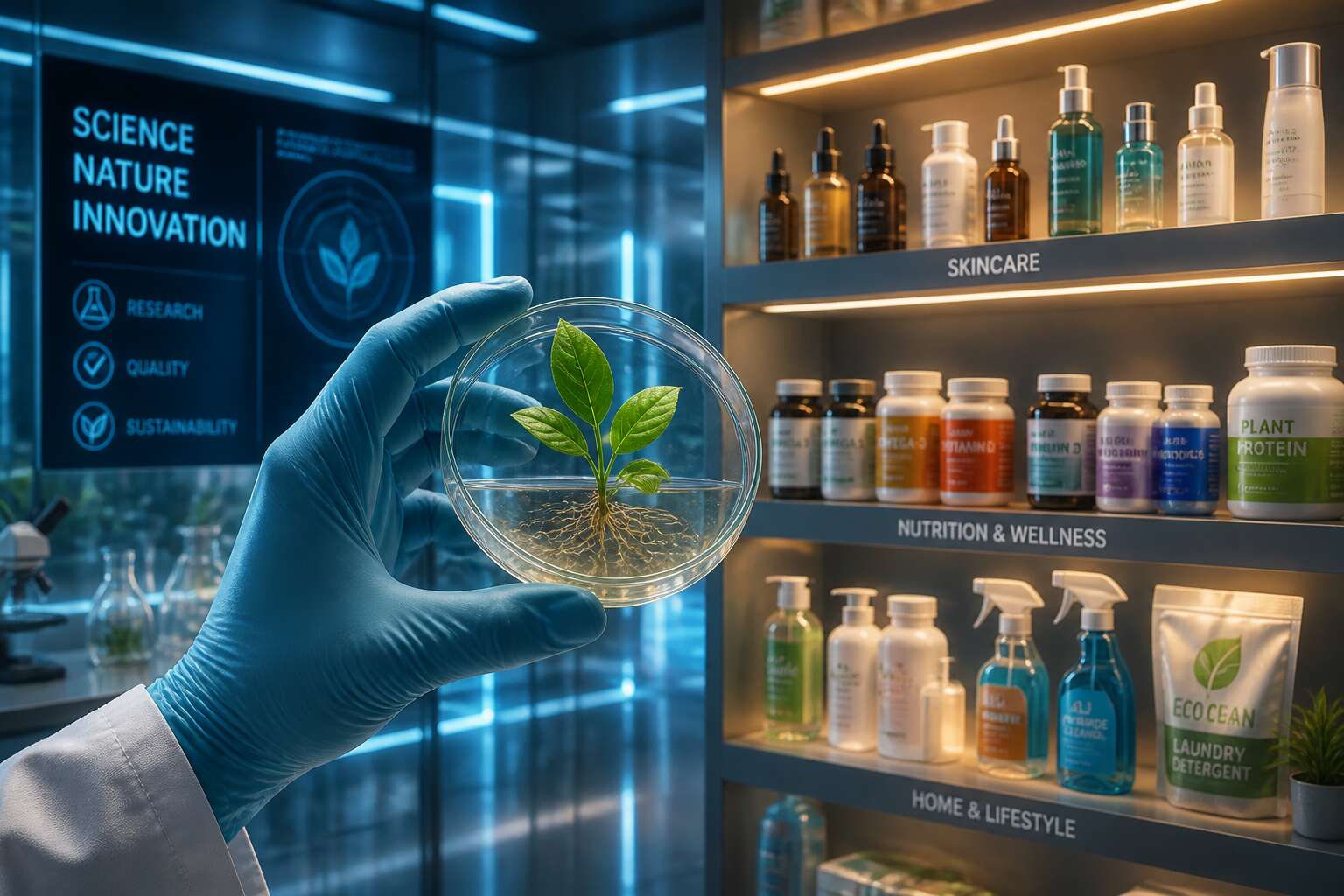
The Evolution of Biotechnology in Consumer Products
From Lab to Living Room
Look across your living room and you will find the quiet presence of biotechnology. That stain-resistant sofa fabric relies on enzymes once confined to pharmaceutical labs. This migration from sterile benches to household shelves represents consumer science at its most transformative.
Even the ordinary refrigerator now employs biosensors that detect spoilage gases and adjust humidity. These devices appear in South African retail markets today. Biotechnology and consumer science have converged faster than most households realise.
- Enzyme-based cleaners that target specific organic stains
- Probiotic skincare formulated with live bacterial cultures
- Biodegradable packaging engineered from agricultural waste
Each product carries a hidden research pedigree that we rarely pause to consider. Consumer science examines how these innovations behave outside sterile laboratories, adapting to daily South African life. The biotechnology and consumer science principles that ruled petri dishes now contend with Durban humidity and Karoo frost. The technologies respond, stretching toward human unpredictability.
Key Milestones in Biotech Consumer Innovation
In 1952, a detergent brand added enzymes to remove egg stains, and biotechnology and consumer science became unlikely roommates. That pairing matured through odd milestones. Genetically modified rennet replaced calf stomachs in cheese by 1987, which delighted vegetarians and confused purists. Bioplastics appeared in the 1990s, though early versions dissolved mid-shelf, not in landfills. Probiotic skincare followed, with live cultures that often died before reaching your bathroom. That failure reshaped the field; stability became the goal, not marketing sparkle.
Consider these deliberate breakthroughs:
1. 1988: First commercial food enzyme for high-fructose syrup.
2. 1994: Flavr Savr tomato, engineered for a firmer shelf life.
3. 2016: Bioconcrete that self-heals cracks using bacterial precipitation.
Each milestone forced consumer science to test products under real humidity, real neglect, and real South African summers. The evolution continues, but now with fewer empty promises.
Bioprocessing and Sustainable Manufacturing
Every shampoo bottle hides a fermentation story. Bioprocessing has moved from factory background noise to the core of sustainable manufacturing, and South Africa’s climate demands honest solutions, not lab fantasies!
Biotechnology and consumer science now share a production line. Enzymes are cultivated on site, using local maize starch as feedstock. This cuts transport emissions and gives formulators fresher ingredients. My own work with a Cape Town startup showed how a single bioreactor replaced three chemical steps.
Consider these bioprocessing advances:
- Continuous fermentation for organic acids
- Cell free extraction of rare plant compounds
- Waste stream conversion into packaging films
These methods reduce water use by nearly half in pilot trials. The evolution is steady, practical, and rooted in real factory floors. Biotechnology and consumer science are no longer separate fields; they are the same craft.
The Rise of Bio-Based Materials
Three years ago, in a dry Eastern Cape village, I watched a woman fold freshly harvested sisal into a coil. That sisal now joins bacterial cellulose in a pilot line for compostable packaging. Witnessing that shift taught me that biotechnology and consumer science have evolved from lab curiosities into rural livelihoods.
The rise of bio-based materials is reshaping what sits on shop shelves. Plastic bottles from petroleum are giving way to films grown from sugarcane bagasse and citrus peels. South Africa’s climate demands materials that handle heat without leaching chemicals, and fermented starch offers that stability. These materials also answer waste problems, because they degrade within months, not centuries.
Local producers are leading practical experiments:
- Mushroom mycelium for durable insulation blocks and packaging corners
- Algae-based dyes that color fabric while nourishing the soil
- Fermentation-derived cellulose for food wraps that replace single-use plastics
Each bio-based material pulls a village harvest into the global supply chain. Consumers see labels naming a region, not a refinery, and that transparency changes buying habits. Biotechnology and consumer science now guide those choices, from farm to packaging, keeping the evolution grounded in ordinary fields.
Applications of Biotechnology in Everyday Consumer Goods
Food and Beverage Innovations
Enzymes now define the modern beverage experience. In South Africa, biotechnology and consumer science converge on your breakfast table. Lactose-free milk relies on beta-galactosidase. Low-alcohol beer uses engineered yeast strains. Precision fermentation delivers animal-free whey proteins. These innovations change flavor profiles without sacrificing texture! Here are three processes transforming food and drink:
- Enzymatic conversion turns starch into sweeteners with fewer calories.
- Microbial cultures produce natural preservatives that replace chemical additives.
- Gene editing enhances yeast resilience to high temperatures.
I have observed a wine made with genetically optimized grapes that requires no added sulfites. The fermentation tanks hum with novel organisms. Supermarket shelves now host these daily.
Cosmetics and Personal Care Products
The skin on your face hosts over 1,000 bacterial species. Biotechnology and consumer science now harness those microbes for personal care. A South African brand uses fermentation to produce ceramides from yeast, mimicking the skin’s natural lipid barrier.
Enzymes, cultivated in lab bioreactors, replace harsh chemical exfoliants. These bioactive compounds digest dead skin cells with precision. I have tested a serum containing bioidentical peptides synthesized by engineered bacteria; it absorbs without residue.
- Fermented plant oils for antioxidant protection.
- Microbial hyaluronic acid for deep hydration.
- Enzyme-based masks that adjust to skin pH.
These products trace their origin to laboratory strains, not petrochemical plants. The result is a cosmetic industry that feels less like chemistry and more like agriculture!
Bio-Engineered Fabrics and Textiles
Consider the shirt on your back. Conventional cotton drains aquifers and relies on pesticides. Bio-engineered fabrics start elsewhere: microbes spinning protein fibers in fermentation tanks. Laboratories grow spider silk without spiders, producing tensile strength that rivals steel. This is biotechnology and consumer science applied to the loom.
Bacterial cellulose, cultivated in shallow vats, yields a leather-like material that molds to the body. Mycelium binds agricultural waste into durable alternatives to animal hides. These fabrics are grown rather than assembled. Biotechnology and consumer science now ask how far this cultivation can go.
South African producers experiment with these materials for workwear and outdoor gear:
- Reinforced denim from microbial protein fibers
- Self-repairing biofilms for tent fabric
- Compostable textiles from bacterial cellulose
The clothing industry, long dependent on chemical dyes and petroleum synthetics, may soon source its inventory from a bioreactor.
Household Cleaning Solutions
The drain cleaner in your cupboard might soon owe its power to engineered enzymes. Traditional caustic formulas dissolve blockages but damage the pipes and the water table. Biotechnology and consumer science now map the metabolic pathways of extremophiles, organisms that thrive in hostile chemical environments.
Consider the biofilm that forms inside a neglected showerhead. A single bacterial colony can resist bleach for weeks. New biological cleaners deploy bacteriophages to dismantle the colony without toxic residue.
- Protease enzymes that digest protein-based stains at low temperatures
- Lipase formulations that break down fat without harsh solvents
South African households face hard water and high humidity, which accelerate microbial growth. Biological cleaning agents adapt to these conditions more readily than imported chemical blends. The shift from sterile chemistry to living systems changes our relationship with dirt!
Nutraceuticals and Functional Foods
South Africans love a good braai, but we also love a snack that promises better health. The latest twist? Nutraceuticals. These are foods with documented health benefits. Biotechnology and consumer science have turned yoghurt into a probiotic source and rooibos into a functional drink. Calories are no longer the only metric.
Take the muesli bar. It can carry bacterial strains that survive your stomach just to improve your gut. Local products add plant sterols to lower cholesterol. Fermented sorghum boosts B vitamins. These are not pills. They are lunch! As biotechnology and consumer science converge, the market grows because people want science with their snacks.
The range is expanding:
- Probiotic yoghurts with targeted strains
- Prebiotic fibres from local chicory
- Omega-3 enriched free range eggs
The skill is separating genuine innovation from clever marketing.
Consumer Perceptions and Trust in Biotechnology
Understanding Consumer Attitudes Toward Bioengineered Products
Consumer skepticism toward bioengineered products signals unmet expectations, not a failure of science. In South Africa, attitudes are shaped by food security and familiarity. Shoppers default to heuristics, judging a product by its packaging or retail position rather than its molecular makeup.
The perceived risk of bioengineered goods often outweighs measured benefits. I find that transparency in the supply chain does more for trust than any lab result. Consumers want the human element in what they buy!
Trust typically forms through small tangible actions:
- Clear labeling that avoids technical jargon.
- Visible traceability from farm to shelf.
- Direct engagement with local communities on safety data.
This dynamic turns biotechnology and consumer science into a social negotiation. Trust is earned through consistent, humble communication, not isolated campaigns.
Transparency and Labeling in Biotech Products
In South Africa, a label is the primary channel for trust between science and the shopper. Trust falters when biotechnology and consumer science hide behind technical jargon. Transparency demands plain language on every package. I have seen trust grow when labels reveal the supply chain, not merely the molecular makeup. People respond to honesty about genetic modification, including its role in food security!
Clear labeling works when it answers real questions:
- What changed in this product?
- How does it reach my table?
- Who monitors its safety?
These small actions make labeling a credible source of information. Consumers here want proof, not promises. A label that admits uncertainty, while offering traceability, builds more confidence than any campaign.
The Role of Education in Acceptance
Labeling provides the first point of contact. Education determines whether that contact turns into trust. In South Africa, biotechnology and consumer science meet shoppers at the shelf, but acceptance depends on how well we teach. I have watched a shopper reject a bioengineered product, then accept it after a short conversation about how it was made. The difference was not the product. The difference was understanding.
People need knowledge before trust can form. A label states what changed. Education explains why the change matters. In community workshops, I have seen fear dissolve when people ask direct questions and receive plain answers.
Consider what education must address:
- The distinction between genetic modification and selective breeding
- How safety assessments are conducted in South Africa
- Which biotech products have been part of daily life for decades
When education covers these points, acceptance follows naturally. Biotechnology and consumer science become less mysterious, and trust grows from genuine comprehension.
Regulatory Frameworks and Safety Standards
Global Regulatory Landscape
Every product on a South African shelf carries a hidden story of oversight. The global regulatory landscape for biotechnology and consumer science is a patchwork of national mandates, each designed to shield public health while encouraging innovation.
In South Africa, the South African Health Products Regulatory Authority oversees health-related biotech goods. For consumer items, the National Regulator for Compulsory Specifications sets safety criteria. These bodies align with international frameworks like the Codex Alimentarius, which standardizes food safety across borders.
- Risk assessment before market entry
- Post-market surveillance for adverse effects
- Labeling requirements for bioengineered ingredients
Regulatory differences create complexity for manufacturers. A cosmetic approved in Europe may face extra scrutiny in Pretoria. Yet this patchwork also builds consumer trust, since each layer of review verifies safety and efficacy. The result is a dynamic system where science and policy converge daily.
Safety Assessments and Risk Management
Safety assessments determine whether a promising compound becomes a household staple or remains a laboratory curiosity. In biotechnology and consumer science, these evaluations rely on hazard characterisation and realistic exposure scenarios. I have witnessed how a single overlooked metabolite can derail an entire product line.
Risk management then prioritises mitigations. It considers cumulative intake, vulnerable groups, and local environmental conditions. South African manufacturers often face stricter evidence requirements than their European counterparts. A typical framework includes:
- Preclinical toxicity testing
- Human safety margin calculations
- Continuous adverse event reporting
These steps transform uncertainty into measurable trust!
Intellectual Property and Biotech Commercialization
Regulatory frameworks are not bureaucratic hurdles. They are the ethical architecture of biotechnology and consumer science. In South Africa, the South African Health Products Regulatory Authority demands evidence that goes beyond mere efficacy. It probes the very essence of a product’s impact on human dignity. Safety standards here often exceed global norms, forcing manufacturers to confront uncomfortable questions about long-term exposure and social equity.
Intellectual property creates a peculiar tension. Patents protect innovation, yet they can sequester life-saving discoveries behind corporate walls. Commercialization thrives on exclusivity, but consumer trust demands transparency. How do we balance ownership with access in a nation marked by deep inequality?
- Patent scope versus public health obligations
- Licensing agreements that prioritize equitable distribution
- Trade secrets in bio-based formulations
This interplay shapes whether biotechnology and consumer science serve everyone, or only the privileged few. The answer lies in regulatory foresight, not reactive compliance.
Ethical Considerations in Consumer Biotechnology
South Africa’s regulatory apparatus for biotechnology and consumer science rests on an ethical foundation that extends past laboratory data. The South African Health Products Regulatory Authority evaluates biological impact alongside community consequences. Safety standards require manufacturers to consider vulnerable populations first. A product may pass toxicity tests yet fail ethical review if it deepens existing inequalities.
Informed consent in consumer biotechnology deserves continuous scrutiny. Data privacy, cultural sensitivity, and post-market surveillance are interconnected obligations, not separate compliance boxes. Risk assessments must include long-term environmental exposure beyond immediate human effects.
This ethical posture shapes how innovation reaches South African households. When safety standards reflect social realities, biotechnology and consumer science become instruments of public good. The marketplace rewards demonstrable care, not marketing claims.
Future Trends in Biotechnology and Consumer Science
Personalized Nutrition and Biotech
In South Africa, the future of food is written in our own genomes. The convergence of biotechnology and consumer science is turning health from a collective prescription into a personal dialogue, where each meal becomes a message to our cells.
Consider the rise of direct to consumer microbiome testing, which maps the trillions of bacteria that dictate how we metabolize maize, sorghum, or milk. This data, paired with biotech driven nutrigenomics, allows for dietary plans that adapt to real time biological feedback, not generic guidelines.
- Real time glucose monitors synced with local food databases
- Probiotic strains engineered for regional gut profiles
- AI powered meal kits that adjust to seasonal nutrient availability
These innovations are not distant promises. They are emerging in Cape Town labs and Johannesburg startups, reshaping what we understand about nourishment.
Biodegradable and Circular Bioeconomy Models
South Africa generates more than 122 million tonnes of waste annually, but only a small portion re-enters production cycles. Biotechnology and consumer science are shifting this dynamic by embedding biodegradability into product design, from packaging to textiles.
Emerging circular bioeconomy models use enzymatic breakdown to recover monomers from mixed plastics, while agricultural residues become feedstocks for microbial fermentation. These processes reduce landfill pressure and create local value chains.
- Enzymatic recycling for multilayer packaging
- Fermentation of maize husks into biopolymers
- Consumer return schemes linked to biotech repurposing
South African startups are piloting these biotechnology and consumer science models in industrial parks, turning waste streams into inputs for new goods. The outcome is a production loop that reduces environmental impact measurably.
AI-Driven Biotech Product Development
The next frontier for biotechnology and consumer science is not a new molecule but the algorithm that designs it. In South Africa, where the Cape Floral Kingdom offers an unmatched genetic library, machine learning tools are scanning endemic plant compounds for cosmetic and nutraceutical properties. This shifts product development from trial and error to a predictive discipline.
AI platforms now simulate molecular interactions before a single culture is grown, reducing iteration cycles from months to days. That speed matters for local startups competing globally. The field of biotechnology and consumer science is also embracing federated data models, where anonymized consumer feedback feeds directly into strain engineering. This tightens the loop between lab insights and shelf behavior.
Consider these emerging patterns:
- AI metabolomics paired with consumer preference mapping
- Autonomous laboratory systems adjusting fermentation parameters in real time
- Digital twins of microbial strains for scaled production planning
Each advance ties back to biotechnology and consumer science, allowing companies to preempt market shifts while respecting biodiversity protocols.
Microbiome-Based Consumer Products
Your skin hosts trillions of microbes, each person’s community distinct from the next. In South African laboratories, researchers are sequencing these bacterial populations to design moisturisers and cleansers that respond to individual skin profiles. This is biotechnology and consumer science moving from the microscope to the bathroom shelf. In our labs, these sequences become design briefs. The emerging landscape includes:
- Strain-specific prebiotics formulated for local climates
- Fermented botanicals that stabilise the skin’s natural barrier
- Diagnostic swabs linked to refillable product systems
Each product depends on longitudinal data from real households. The promise is simple: formulations that align with your biology, not against it.
Blockchain for Biotech Supply Chain Transparency
Blockchain now underpins biotechnology and consumer science supply chains. In South Africa, where cold chains stretch across vast distances, tamper-proof records matter. Every batch of fermented serum or strain-specific prebiotic can be tracked from lab to shelf.
Consider what true transparency requires:
- Batch-level authentication of raw biological inputs
- Temperature and humidity logs verified at every handoff
- Smart contracts that release payments only when data is intact
These records satisfy regulators. They also give consumers a direct line to the source. We can finally see the journey of a facial cream, from the bacterial strain that shaped it to the refrigerated truck that delivered it. That kind of visibility changes everything!


0 Comments