Understanding Biotechnology and Its Global Impact
Defining Biotechnology and Its Core Principles
Every year, biotechnology saves millions from diseases that once meant certain death. Yet its principles remain unexamined by most. Understanding this field begins with defining it simply: biotechnology uses living organisms to create products and processes that solve human problems. It merges biology with engineering, chemistry with computer science.
Its core principles are specificity, efficiency, and sustainability. Specificity ensures targeted action, such as gene editing. Efficiency demands maximum yield from minimal input. Sustainability guarantees that innovations do not deplete our natural resources. Microalgae produce biofuel while absorbing carbon dioxide, which doubles their value.
This global impact is visible in South Africa. In my visits, I have watched biotechnology at tut students engineer solutions for rural clinics, purifying water and developing drought resistant crops. Their work addresses water shortagesand food insecurity. Consequently, the global conversation about biotechnology increasingly looks toward Africa for solutions.
Key Applications in Healthcare, Agriculture, and Industry
Biotechnology at TUT is not confined to a laboratory. It reaches villages where clean water is scarce and crops fail under a punishing sun. Researchers translate complex science into practical tools that change daily life.
The work focuses on tangible solutions. Students develop rapid diagnostic kits for rural clinics, allowing nurses to identify diseases in minutes. Field trials test drought-resistant maize varieties that require less water, a critical innovation for small-scale farmers. The impact extends further:
– Bioremediation projects use fungi to break down industrial pollutants in soil.
– Fermentation technology improves the shelf life of traditional foods, reducing waste.
– Local production of enzymes lowers costs for textile and paper manufacturers.
This is the language of the cell applied to the language of survival. Biotechnology at TUT bridges molecular precision and community need, training a generation of problem solvers who measure success in harvests and healthy children. The science is rigorous, but the mission is profoundly human.
The Role of Biotech in Addressing Climate Change and Sustainability
Every year, the earth loses 10 million hectares of fertile soil. Our relationship with carbon is broken. At Tshwane University of Technology, the biotechnology at TUT programme reframes climate change as a metabolic puzzle we can solve.
I have watched students design microbial consortia that digest plastic waste into biopolymers. They calibrate enzymes to pull methane from landfill gases, turning a potent greenhouse gas into fuel. The work is granular, iterative, and profoundly optimistic.
- Engineering cyanobacteria to capture industrial CO2 emissions at the source.
- Developing bio-based adhesives that replace petrochemical binders in construction.
- Using fungal strains to bioremediate heavy metal contamination in watersheds.
This is the quiet scaffolding of a sustainable economy. It is not glamorous, but it is necessary. Studying biotechnology at TUT means learning to read the Earth’s vital signs and writing new prescriptions for its ailments.
Emerging Trends in Synthetic Biology and Genetic Engineering
Engineering a Bio-Future: Inside TUT’s Biotechnology Programme
Picture this: microscopic factories working tirelessly to break down the waste we discard daily. This isn’t science fiction; it’s the reality unfolding in the labs at Tshwane University of Technology (TUT). While the world grapples with overflowing landfills and mounting emissions, the solution might be smaller than a grain of sand.
The work happening here redefines manufacturing. We are moving beyond theory to tangible applications that businesses can implement tomorrow. One fascinating area involves using specific bacterial strains to convert plastic waste into a fully biodegradable polymer called PHA. This material holds the same versatility as conventional plastics but returns to nature harmlessly.
The impact on the local economy could be substantial. Imagine a South African factory that doesn’t just dispose of waste but transforms it into valuable raw material. This is the promise of industrial biotechnology.
Beyond waste, the programme explores energy recovery. Researchers are optimizing microbial systems to efficiently convert organic matter into biogas. This provides a renewable energy source for communities while simultaneously solving municipal waste problems. It creates a closed loop where nothing is wasted.
Students aren’t just learning textbook theory. They’re getting hands-on experience with the very technologies that will define the next industrial revolution. They learn to isolate specific enzymes, engineer metabolic pathways, and scale up processes from a Petri dish to a pilot plant. This practical focus ensures graduates are ready to lead from day one.
Choosing to study biotechnology at TUT means positioning yourself at the forefront of a necessary shift. It means understanding how to harness biology to address pressing environmental challenges. The laboratories are buzzing with potential, and the results speak for themselves. The future isn’t just being studied here; it’s being built. Every experiment, every batch, and every analysis contributes to a sustainable legacy that extends far beyond the campus walls.
Exploring Biotechnology Programs at Tshwane University of Technology
Undergraduate Degrees and National Diplomas Available
Postgraduate Research Opportunities and Master’s/PhD Tracks
Postgraduate studies in biotechnology at TUT open doors that undergraduate work simply cannot. The university has positioned itself as a serious research hub, not just a teaching institution. For graduates looking to move beyond laboratory basics and into genuine scientific inquiry, the Master’s and PhD tracks offer structured pathways into specialised fields. The shift from consuming knowledge to producing it is significant, and TUT supports that transition with dedicated supervisors and well-equipped facilities.
Research opportunities here are anchored in real-world problems. Students tackle projects in food security, vaccine development, and environmental bioremediation. The applied nature of the work means your thesis is never just an academic exercise; it has practical implications for industry partners and local communities. This connection to tangible outcomes is what sets the postgraduate experience apart.
For those considering the leap, the typical structure includes:
– A coursework component in the first year to solidify advanced theory
– A supervised research project running across both years of the Master’s programme
– A doctoral thesis that must represent an original contribution to the field
– Regular progress reviews with your supervisory panel
Funding remains a practical concern, but TUT offers several bursaries and research assistant positions that help offset costs. Many students also secure external grants through the National Research Foundation. The key is applying early and having a clear research proposal before you approach potential supervisors.
The PhD journey is intense, often taking three to five years of focused work. It demands resilience, patience, and genuine passion for your niche area. That said, graduates emerge with a powerful combination of technical expertise and critical thinking skills. Whether you aim for a career in academia, industry, or a research council, the advanced training in biotechnology at TUT provides the credibility and competence to compete at the highest level. The investment is substantial, but the professional returns are equally significant.
Core Curriculum and Specialization Electives
Some students expect a dramatic launch into genetic frontiers from the first lecture. In reality, biotechnology at TUT begins with a deep immersion into the cellular machinery that underpins everything else. The core curriculum is a grounding in molecular biology, biochemistry, and analytical techniques. This phase is about precision. It builds the meticulous habits required for valid experimental results.
Once that foundation is cemented, the programme reveals its flexibility through specialization electives. This is where you steer your path toward a specific future. The options allow for a focused study of industrial processes or a deeper look into the intricacies of human health. For those considering their options, the selection is broad:
1. Bioprocessing and fermentation technology
2. Plant biotechnology for crop improvement
3. Medical diagnostics and immunology
4. Forensic biotechnology and DNA analysis
Choosing an elective is a pivotal moment. It determines the kind of laboratory you will inhabit and the language you will speak in your profession. The coursework is structured to move from theory to applied lab sessions, ensuring that the technical skills you build are immediately relevant. The attention to detail in these modules prepares you for the rigorous standards of the industry. This structured approach ensures that a degree in biotechnology at tut is not just a certificate, but a portfolio of applicable capabilities.
Accreditation, Professional Recognition, and Quality Assurance
Accreditation is the quiet engine that powers the credibility of any qualification. For biotechnology at TUT, this means the programme operates under the watchful eye of the Council on Higher Education (CHE). This oversight ensures the curriculum meets rigorous national standards. It is not merely about ticking boxes; it is about guaranteeing that every graduate possesses the theoretical depth and practical skill set demanded by the South African industry.
Professional recognition extends beyond the university walls. Graduates from this programme often find their qualifications align with the requirements of the Health Professions Council of South Africa (HPCSA) for certain career paths. This alignment is crucial. It provides a smoother transition into the workforce, signalling to employers that the training is robust and relevant. The value of this recognition becomes tangible when you step into a laboratory and your credentials carry immediate weight.
Quality assurance is a continuous process, not a final checkpoint. The university engages in regular internal reviews, while external examiners provide an independent assessment of student performance and programme integrity. This dual-layer approach maintains academic rigour. It also ensures that the teaching methods evolve alongside advances in the biological sciences. For a student, this translates into a qualification that holds its value in a fast-moving sector.
This foundation of trust is a significant advantage. When you invest years into your education, you need the assurance that the institution is invested in maintaining high standards. The structures in place create a stable environment for learning. Ultimately, this diligence protects the student’s future, ensuring that the skills acquired are recognised and respected long after graduation. This is the quiet confidence that comes with a fully accredited programme.
Cutting-Edge Research Facilities and Innovation Hubs at TUT
Molecular Biology and Genetic Engineering Laboratories
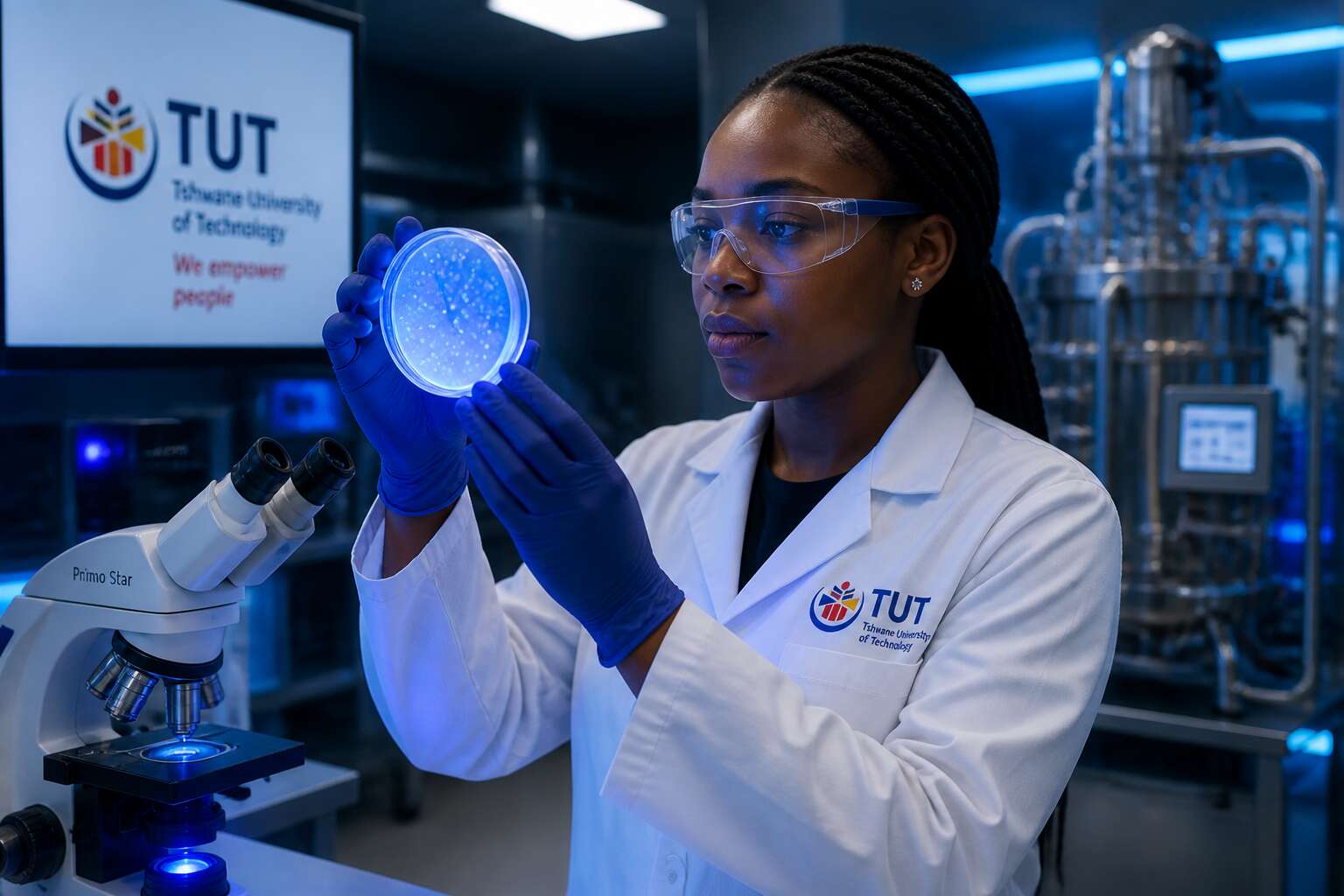
Over 40 specialised laboratories hum with quiet intensity on the TUT campus, each one a crucible where abstract scientific questions take tangible form. Within the molecular biology suites, researchers manipulate the very blueprint of life, exploring gene expression and regulation with a precision that was once the stuff of science fiction. This is the beating heart of biotechnology at TUT, a place where the theoretical knowledge from lecture halls is translated into hands-on mastery of techniques like CRISPR-Cas9 and next-generation sequencing.
The genetic engineering laboratories function as incubators for novel solutions, housing projects that range from developing drought-resistant crop strains for the Highveld to engineering enzymes for industrial waste remediation. Students engage with high-throughput screening equipment and bioinformatics workstations that map complex datasets. The facilities are designed for collaboration, breaking down the ivory tower mentality.
Key infrastructure includes:
– Advanced PCR and qPCR thermal cyclers for DNA amplification
– Confocal and fluorescence microscopes for cellular imaging
– Fermentation units for bioprocess optimisation
– Dedicated plant growth chambers for transgenic studies
An innovation hub connects these wet labs with business incubation, helping to shepherd promising discoveries from the lab bench to the marketplace. This integration of discovery and application ensures that the work conducted here addresses tangible societal needs, giving students a direct line to the future of South African bio-industry. It is an environment where scientific curiosity and entrepreneurial drive converge, defining the unique character of biotechnology at TUT.
Industry Partnerships and Collaborative Research Centres
Biotechnology at TUT operates at the sharp edge of scientific inquiry, transforming theoretical knowledge into tangible solutions for the African continent. The department doesn’t just teach; it equips students to challenge biological limitations and engineer practical answers to pressing local challenges.
The work happening within these walls is substantial. Students and researchers are actively engaged in projects that range from improving food security through enhanced crop resilience to developing novel methods for waste valorisation. This is science with a clear mandate: to solve problems.
Key applications of this discipline include:
– Developing diagnostic tools for endemic diseases.
– Optimising industrial enzymes for local manufacturing.
– Creating sustainable bioprocesses for agricultural by-products.
– Exploring microbial solutions for soil remediation.
The curriculum at TUT is rigorously designed to reflect the evolving landscape of the biological sciences. It moves beyond the memorisation of cellular processes to focus on the application of molecular techniques. Students become proficient in the language of DNA, mastering the tools needed to read and rewrite the genetic code.
This focus on practical skill development is a core strength. The university recognises that the future of the bio-economy lies in the hands of those who can navigate the interface between biology and engineering. This is where the true value of biotechnology at TUT emerges.
The research spectrum is equally comprehensive. It addresses the critical intersection of biological systems and industrial efficiency. A key area of focus is bioprocessing, where microbial systems are harnessed to create high-value products. This involves understanding not just the science, but the economic and logistical factors required to scale a laboratory breakthrough to a commercial reality.
The university’s commitment is also evident with a focus on the environment. Projects are underway to tackle pollution and reduce reliance on fossil fuels through the development of bio-based alternatives. This creates a direct pathway from academic research to tangible environmental benefits.
For postgraduates, the opportunities are transformative. Master’s and doctoral candidates engage in deep, exploratory research that contributes to the global scientific community. They are not just students; they are active contributors, publishing papers and creating intellectual property that positions TUT as a leader in the field.
Regarding institutional quality, the programme is aligned with the standards expected of a leading university of technology. This provides graduates with a credential that is respected by employers throughout the country and internationally. The focus remains firmly on producing work-ready professionals who can contribute from day one.
The infrastructure supporting this research is impressive. Specialised laboratories serve as the training grounds where theory is tested and innovation is realised. The facilities are designed to mimic the environment of a professional research lab, ensuring graduates are familiar with the equipment and protocols used in industry.
Core infrastructure includes:
– Advanced PCR and qPCR thermal cyclers for DNA amplification.
– Confocal and fluorescence microscopes for advanced cellular imaging.
– Fermentation units for bioprocess optimisation.
– Dedicated plant growth chambers for transgenic research.
The ethos of the department is collaborative. Work extends beyond the university, involving partnerships with industry leaders and research councils. This integration provides students with invaluable exposure to the professional landscape, bridging the gap between academic study and commercial application.
The faculty are not merely instructors; they are active researchers and industry consultants. They bring a wealth of practical experience into the classroom, mentoring students on navigating the complexities inherent in biological research. This guidance is crucial for developing the critical thinking and problem-solving skills essential for success.
A distinctive feature of the programme is its attention to sustainability. Courses and projects place a strong emphasis on how biotechnological solutions can be developed without compromising the needs of future generations. This ethical framework gives graduates a broader perspective on the role of science in society.
Ultimately, the goal is to create a cohort of scientists who are as entrepreneurial as they are analytical. The university cultivates a mindset where a scientific discovery is also seen as a potential business venture. This approach accelerates the journey from laboratory bench to community benefit.
Biotechnology at TUT is more than a course of study. It is a launchpad for a career at the forefront of the biosciences. The programme delivers the technical rigour and practical experience necessary to not only enter the field but to lead it. It prepares individuals who are ready to make a measurable impact on the health of people and the planet.
Student-Led Research Projects and Innovation Competitions
At TUT, the innovation hub is a practical workspace for student projects. Teams regularly turn rough concepts into working prototypes. One group recently developed a portable diagnostic device using paper-based microfluidics. Another won funding for a project that converts mango peels into biodegradable packaging.
These spaces are more than rooms with equipment. They are ecosystems. Students access mentorship from industry veterans, small grants, and even legal advice for patents. The annual innovation competition is a highlight, where finalists pitch to real investors. Past winners have gone on to register companies.
What makes this environment unique is the permission to fail. Students test, break, and rebuild. That iterative process produces resilient thinkers. Biotechnology at TUT is as much about building character as it is about building assays.
- Rapid prototyping tools for biotech devices
- Seed funding for student startups
- Networking events with venture capitalists
Government and Private Sector Funding Opportunities
Tucked inside Tshwane University of Technology’s Pretoria campus is a space where ideas outgrow the page. The advanced molecular biology laboratories are stacked with real-time PCR machines and next-generation sequencers, but the true engine of progress is the human access to these tools. Students run experiments that would previously demand a private sector setup. They engage with complex equipment daily, which builds a fluency that no simulation can replicate.
The Innovation Hub transforms academic discovery into commercial reality. Here, the line between laboratory bench and business pitch softens. Teams working on bioremediation strategies or pharmaceutical formulations find themselves iterating at speed. The culture values rapid testing and honest feedback. One group refined a diagnostic prototype through six failures before achieving a working model. That persistence is the defining trait of this ecosystem.
Funding flows through strategic partnerships that extend beyond campus borders. Government agencies finance specific research tracks, while private investors scout for scalable ideas.
– The Technology Innovation Agency supports early-stage biotech ventures.
– The National Research Foundation backs postgraduate studies in genetic engineering.
– Private venture capital firms partner with the university to commercialize breakthroughs.
– Industry grants from pharmaceutical companies fund applied research projects.
This financial scaffolding ensures that promising work does not stall due to lack of resources.
The significance of biotech investment in South Africa is rising. Public health challenges and agricultural pressures demand localized solutions. The advanced fermentation units and bioprocessing pilot plant give researchers the tools to answer those demands. When a student purifies a novel enzyme or optimizes a yeast strain for biofuel production, the work contributes to a larger national strategy. The infrastructure is merely the stage. The real output is a generation of scientists who know how to build, test, and launch. That combination of rigorous training and entrepreneurial instinct is what propels biotechnology at TUT toward a tangible impact on the economy.
International Academic Collaborations and Exchange Programs
The innovation hubs at TUT are where theory meets hard reality. These spaces house advanced bioreactors and analytical tools rarely found in standard university settings. Exploring biotechnology at TUT means watching students troubleshoot fermentation bottlenecks that directly impact local industries.
The reach extends far beyond Pretoria. International academic collaborations bring exchange students from partner universities in Europe and Asia, creating a dynamic melting pot of ideas. I have personally watched these partnerships open doors to joint research projects that would otherwise be impossible!
- Semester-long exchanges for practical lab work.
- Joint supervision of postgraduate research projects.
- Shared access to specialised genomic and proteomic databases.
These global connections complement the local innovation hubs perfectly. The communication between visiting researchers and TUT staff keeps the curriculum sharp. The convergence of top-tier facilities and international perspectives ensures that graduates are fully prepared for any biotech environment they enter.
Career Pathways and Industry Connections for TUT Biotechnology Graduates
Employment Sectors: Pharmaceuticals, Agro-Biotech, and Diagnostics
South Africa’s bio-economy employs nearly 100,000 people, but the real prize is the placement rate for TUT graduates. I have watched alumni move from campus directly into pharmaceuticals, where their command of bioprocessing earns immediate respect. Agro-biotech is another draw, with employers like seed companies and soil microbiology firms recruiting heavily. Diagnostics completes the triad, offering roles in PCR testing and clinical assay development.
Career pathways typically look like this:
1. Junior laboratory analyst in a pharma quality unit
2. Field agronomist for a biotech seed firm
3. Molecular diagnostician at a private pathology group
Each role demands the hands-on training that biotechnology at TUT provides through its applied projects. Industry connections formed during work placements often become job offers, a practical advantage for graduates. For those investigating biotechnology at TUT, these three sectors offer clear, navigable routes to meaningful work.
Work-Integrated Learning and Internship Placements
The gap between classroom theory and boardroom expectation has claimed many a graduate. At TUT, the bridge is built with pipettes and placement schedules. Work-integrated learning here is not a tick-box exercise. It is a structured assault on inexperience. Students spend significant blocks of time inside operational facilities, logging hours in environments where a contaminated sample has real consequences, not just a red mark on an assignment. This is where the confidence to question a faulty assay reading is forged.
Industry connections during these placements are deliberate. The university has cultivated relationships with diagnostic laboratories and production plants that need junior staff trained to specific standards. The internship placements operate on a direct feedback loop. A company evaluates a student’s practical output, and if the fit is right, the offer follows. It is a mercenary system, but a remarkably effective one. Graduates leave with a reference who has seen their work, not just a transcript.
Typical placement profiles during the final year of study include:
- Quality control rotations in pharmaceutical manufacturing lines, checking batch purity.
- DNA extraction and quantification tasks in forensic or paternity testing labs.
- Fermentation monitoring for biofuel or enzyme production facilities.
These stints do more than pad a CV. They teach the unspoken rules of the industry, like how to document work so the auditors do not cry and when to escalate a protocol deviation. Students often return to campus for their final semester with a job offer and a deep understanding of which sector suits their temperament. For anyone weighing biotechnology at tut, the tangible return is this immediate access to operational South African industries, a head start that theoretical programmes simply cannot match.
Alumni Success Stories and Entrepreneurial Ventures
The true measure of any academic programme lies in the trajectory of its graduates, and biotechnology at TUT offers a clear vantage point on that journey. The university’s deep-rooted connections with industry partners transform classroom knowledge into professional reality. This synergy ensures that students are not merely observers of the scientific field but active participants in its evolution. The result is a steady stream of qualified professionals entering laboratories and research facilities across South Africa, equipped with the precise skills that employers actively seek. This alignment between academic output and industry demand is a defining feature of the programme.
Career pathways for TUT biotechnology graduates are as diverse as the discipline itself. Opportunities range from diagnostic testing and pharmaceutical production to agricultural research and forensic analysis. Many alumni find their footing in established corporations, while others carve out their own niche in the sector. The entrepreneurial spirit is actively encouraged here, with the university’s incubation hubs providing the necessary scaffolding for innovative ideas to become viable businesses.
– Quality assurance and regulatory affairs in pharmaceutical companies
– Research and development roles in agricultural biotechnology firms
– Clinical trial coordination for healthcare organisations
– Molecular diagnostics in both public and private laboratories
The success stories are not confined to the corporate sphere. Alumni from biotechnology at TUT have gone on to establish their own consultancies, offering specialised testing services to smaller industries. These ventures often fill a critical gap, providing local solutions that larger companies might overlook. This entrepreneurial drive is a testament to the practical education and problem-solving acumen fostered during their time at the university. They see the gaps in the market, and they have the technical proficiency to address them.
Industry connections form the backbone of this success. The Faculty of Science regularly collaborates with sector stakeholders to refine the curriculum, ensuring that the skills taught are the skills needed. This collaborative approach extends beyond the lecture hall, offering students direct exposure to real-world challenges through site visits and guest lectures from leading practitioners. From the first year to the final project, the emphasis is on producing graduates who are work-ready and confident from day one. This symbiotic relationship between the university and the industry is precisely why a degree in biotechnology at TUT holds such considerable weight in the job market, paving the way for a rewarding and impactful career.
Professional Certifications and Lifelong Learning Options
A qualification that merges theory with tangible application holds significant value, and the career trajectories for graduates of biotechnology at TUT demonstrate this clearly. The programme deliberately bridges the gap between laboratory techniques and real-world industrial requirements. Students do not simply learn the principles of genetic modification or microbial cultivation; they understand how these processes function within a regulated commercial environment. This prepares them for immediate productivity in settings where precision and efficiency are paramount.
The pathways available to alumni indicate the versatility of the skill set acquired. Many find roles within research and development, where they contribute to projects spanning the creation of novel pharmaceuticals to the enhancement of crop resilience. Others pursue careers in quality assurance, ensuring that products meet stringent national and international standards. The demand for skilled personnel in molecular diagnostics has also risen, placing graduates in positions where their expertise directly impacts public health outcomes. A smaller number choose to pursue advanced academic research, using their undergraduate years as a springboard for specialised postgraduate study.
This employment readiness is largely attributable to the strong industry connections cultivated by the institution. The curriculum is not static; it evolves through consultation with sector partners who understand the current challenges facing the biological sciences. This feedback loop ensures that the content remains relevant and forward-looking. Furthermore, the integration of work-integrated learning is a critical component, offering students a structured period of immersion within a professional setting. This experience provides more than just a line on a curriculum vitae; it develops the professional acumen and problem-solving abilities that are difficult to teach in a lecture hall.
Upon completion, graduates find themselves equipped for a range of opportunities:
– Technical positions in diagnostic laboratories, both public and private.
– Roles in bioprocessing and manufacturing for the pharmaceutical industry.
– Positions within agricultural biotechnology firms focusing on crop improvement.
– Careers in environmental monitoring and bioremediation projects.
Ultimately, the value of a degree in biotechnology at TUT lies in its capability to transform academic potential into professional reality. The emphasis on practical skills, combined with a deep understanding of the scientific principles, creates a professional who is ready to contribute from the first day. The journey through the programme is challenging, but the outcome is a career that is as dynamic as the scientific field itself.
Networking Opportunities Through TUT’s Biotech Alumni Association
Career pathways for biotechnology at TUT graduates rarely follow a straight line, and that is the point. The programme’s industry connections, built over decades, provide access to pharmaceutical, agro-biotech, and diagnostics sectors. Yet the most enduring asset is the TUT Biotech Alumni Association. This network functions as a professional directory, giving members direct contact with specialists who once completed the same coursework.
Networking opportunities through the alumni association include:
– Quarterly industry seminars with recruitment pipelines.
– A mentorship circle pairing recent graduates with senior scientists.
– An internal job board shared exclusively with members.
These connections convert a diploma into a career trajectory. For anyone considering biotechnology at TUT, the alumni network is a practical benefit that grows stronger each year.
Admission Requirements and Application Process for TUT Biotechnology Studies
Academic Prerequisites and Subject Requirements
Getting into biotechnology at TUT demands a solid foundation in the sciences. For most undergraduate programmes, you need a National Senior Certificate with a bachelor’s pass, plus Mathematics, Physical Science, and Life Sciences, each at level 4 or higher. English proficiency is also essential.
When applying for biotechnology at TUT, the process is straightforward. Submit your application online through the TUT portal before the closing date. Include your ID copy, final Grade 11 results, and any other supporting documents. Once your application is assessed, you may receive a conditional offer!
- Check the specific subject requirements for your chosen biotech diploma.
- Complete the online application form and pay the application fee.
- Upload all certified documents and await feedback from the admissions office.
Keep in mind that meeting the minimum requirements does not guarantee admission, as spaces are limited. Your academic record plays a decisive role!
Application Deadlines, Online Submissions, and Supporting Documents
With roughly 40,000 applications flowing into Tshwane University of Technology each year, the filtering process begins long before classes start. For biotechnology at TUT, the application route is a race against the calendar. The annual closing date typically lands in late September for the following academic year, and late submissions are not entertained.
The online submission portal is your single gateway, but preparation is the real key. Your certified ID copy and academic transcripts must be scanned and uploaded in the precise format specified. A misplaced file can delay your entire evaluation.
Here is the sequence to follow:
1. Create your student iEnabler profile on the TUT website.
2. Complete the online application form.
3. Upload your certified Grade 11 and Grade 12 results.
4. Pay the non-refundable application fee.
Supporting documentation plays a massive role in the assessment. Beyond your grades, TUT requires proof of residence and a valid email address for correspondence. You will receive a confirmation SMS once your biometrics are captured. Remember, the admissions office prioritises applicants who submit complete files ahead of the deadline, not those who scramble at the final hour. Trace your application status through the portal weekly to catch any document queries early.
Selection Criteria, Interviews, and Aptitude Assessments
The scramble to submit is only the first gauntlet. The real filtration for biotechnology at TUT happens when the selection committee weighs your academic history against the finite seats in the laboratory cohort. They search for a specific profile, one that demonstrates more than just a passing grade. Your matric results are dissected, with particular attention paid to your performance in Mathematics and Physical Science, as these subjects form the bedrock of your first-year modules. It is a precise, numbers-driven culling.
For shortlisted candidates, the process may extend into a more personal arena. This could take the form of an interview or a series of aptitude assessments designed to gauge your problem-solving agility and your manual dexterity. The faculty probes deeper into your commitment to the rigours of a laboratory career.
– Your analytical skills are tested through scenario based questioning.
– Your ability to work within a team is observed during practical evaluations.
– Your understanding of the broader bio-economy in South Africa is discussed.
The objective is to determine if you possess the temperament for a discipline that demands exactness. A quiet determination and a methodical approach are attributes that weigh heavily in your favour. The final admission list is subsequently compiled, balancing your academic scores with these softer, yet critical, performance indicators. Securing a place in this programme is a testament to your capability to thrive under pressure.
Financial Aid, Bursaries, and Scholarship Programs
The cost of a laboratory coat and reagents is a quiet burden. For many prospective students, the dream of biotechnology at TUT hinges on access to funding. Fortunately, the university channels multiple streams of financial relief, from government-backed schemes to private endowments.
The National Student Financial Aid Scheme (NSFAS) covers tuition and living expenses for qualifying South African citizens. TUT also administers its own bursaries, often funded by industry partners who seek future laboratory technicians. Merit-based scholarships reward exceptional matric results, while need-based grants prioritise students from households below a certain income threshold.
Eligibility criteria commonly include:
– Academic merit in Mathematics and Physical Science.
– Demonstrated financial need through a means test.
– A willingness to work in a rural or under-served community after graduation.
Private scholarships from agribusinesses and diagnostic firms are competitive yet attainable. I advise checking the TUT financial aid portal monthly, as deadlines differ from admission dates. Do not assume that a single application covers everything. Each bursary has its own timeline and documentation, so meticulous organisation is essential. Funding for biotechnology at TUT is not a mystery; it is a process of diligent research and timely submission.
International Students: Visa Requirements and Language Proficiency
For international students, the path to studying biotechnology at TUT requires careful navigation of administrative requirements. The program demands a solid academic foundation, typically including Mathematics and Physical Science at specific achievement levels. You will need to submit certified copies of your school leaving certificates and transcripts for evaluation by the university’s admissions office.
The visa process is equally critical. You must apply for a study visa at the South African embassy or consulate in your home country well before the academic year begins. This application requires a valid passport, proof of financial means to cover tuition and living costs, and a medical certificate. Securing these documents takes time, so starting the process at least three months in advance is wise.
A key point to remember is that your visa application must include an official acceptance letter from TUT. Without this letter, the Department of Home Affairs will not process your application. Furthermore, you must have medical aid coverage for the duration of your studies, as this is a legal requirement for all international students in South Africa.
For language proficiency, the medium of instruction at TUT is English. If your previous education was not undertaken in English, you will need to provide proof of proficiency. This is often demonstrated through tests like IELTS or TOEFL, with specific score requirements that you can confirm on the university’s website.
The ability to communicate effectively in English is not just about passing a test. It is fundamental to your success in lectures, laboratory work, and collaborative projects. You will be working closely with peers and faculty members on complex scientific concepts, where precision in language is vital. Practical sessions in the labs require clear communication to ensure safety and accuracy when handling biological materials and sophisticated equipment.
Preparing your documentation correctly can prevent significant delays. Always double-check that your name appears exactly the same on your passport, academic certificates, and visa application. Any discrepancies can halt the entire process.
Here is a concise checklist for your visa documentation:
– A valid passport with at least two blank pages.
– The official TUT acceptance letter.
– Proof of sufficient funds for the academic year.
– A medical certificate and radiological report for certain countries.
– A police clearance certificate from your country of residence.
– Travel and medical insurance for the initial period in South Africa.
Navigating these steps meticulously ensures that your focus can remain on your academic goals. The world of biotechnology at TUT is a thriving environment where you will gain the skills to make meaningful contributions to the field. Getting the logistics right is the first step towards a rewarding educational experience in South Africa.


0 Comments