Practical IoT examples across industries
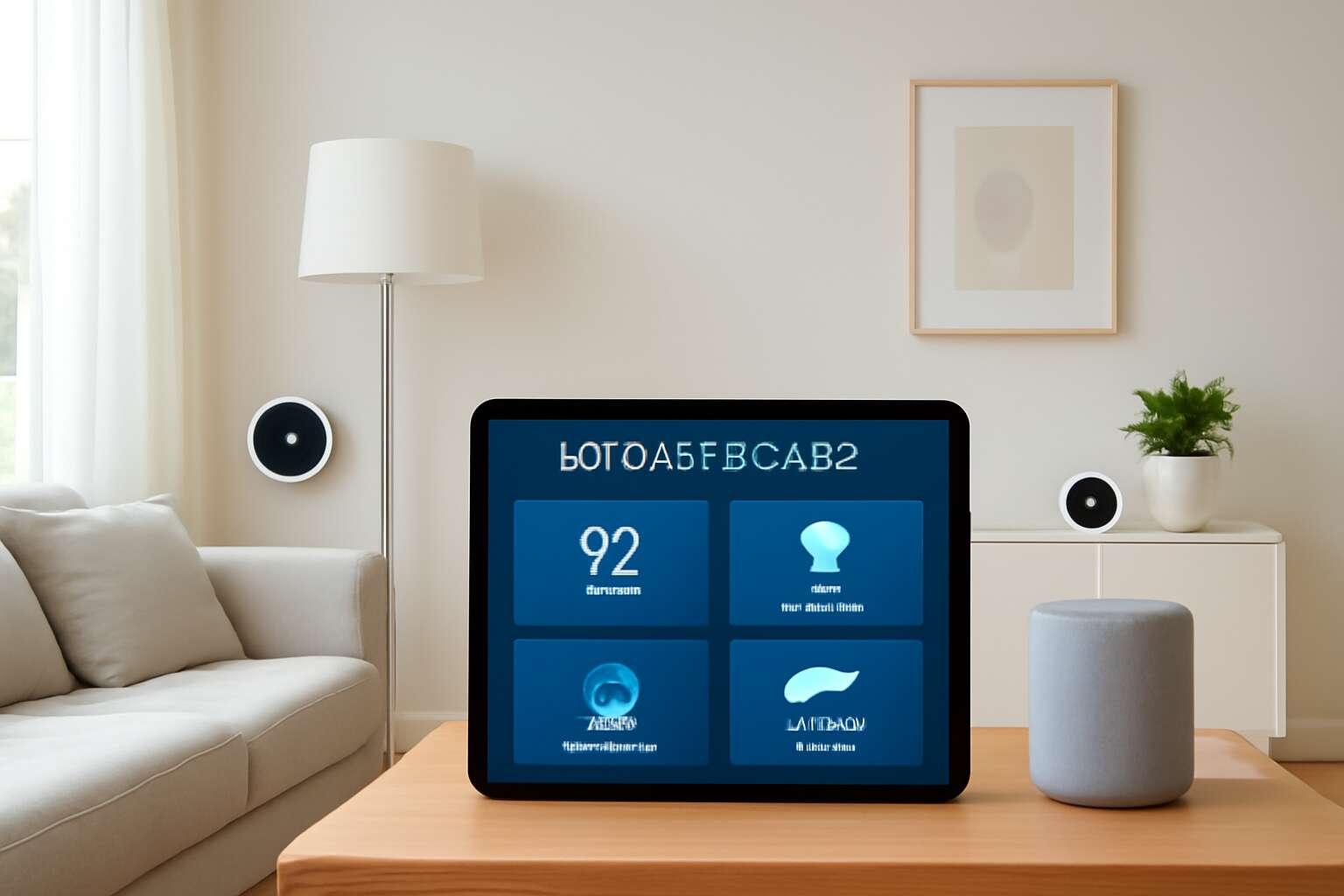
Smart home devices and energy management
Across South Africa, households embracing connected devices report up to a 15% cut in energy use. These internet of things examples show how sensors, automation, and data turn living spaces into responsive partners, blending convenience with real savings.
Smart home devices and energy management sit at the heart of practical IoT. Consider a few everyday helpers:
- Smart thermostats that learn your schedule and trim cooling or heating when you’re away.
- Intelligent lighting that adapts to daylight and occupancy to reduce waste.
- Smart plugs and monitors that reveal which gadget drinks power at night.
Beyond homes, the same principles power warehouses, farms, and clinics. Wireless sensors track equipment health, optimize irrigation, and streamline maintenance, turning data into decisive action. The result is a quieter, greener operation that speaks softly but works loudly when it matters.
Industrial IoT in manufacturing
Factories in South Africa are turning to connected devices, and an industry snapshot finds uptime improving by as much as 18% when maintenance is guided by real-time data. These internet of things examples show how sensors, analytics, and automation turn production floors into living systems that respond to demand with precision.
Industrial IoT in manufacturing unfolds through practical patterns on the shop floor:
- Predictive maintenance using vibration, thermal, and lubricant data to forecast failures before they disrupt lines.
- Real-time quality control with machine vision that flags defects early and trims waste.
- Digital twins that simulate processes, enabling safe experimentation without halting production.
- Asset tracking and energy monitoring across the line to cut idle time and power waste.
From output halls to the supply chain, the same logic scales—sensors, edges, and cloud turning data into decisive action. In South Africa, this convergence supports local manufacturers navigating energy costs and demand volatility.
Healthcare monitoring and wearables
In South Africa’s rural clinics, a quiet revolution is unfolding. Wearable sensors and remote monitors bring care closer to patients—whether on a farm or in a small town. These internet of things examples show how real-time data can spark early intervention, easing travel burdens and keeping families healthier.
Practical healthcare IoT spans several everyday touchpoints:
- Remote patient monitoring with vital-sign sensors that relay data to clinicians in distant clinics
- Wearables tracking heart rate, activity, and glucose for chronic conditions
- Smart inhalers and medication reminders that improve adherence
From community health campaigns to private clinics, these trails of data become reliable guides. It’s not sci-fi—it’s bedside reality, care that travels with us, not just to us!
Agriculture and smart farming devices
On South Africa’s rolling paddocks, sensors hum at the edge of dawn, turning data into decision. In field trials, soil-moisture gauges and climate sensors cut water use by up to a third, turning drought into manageable risk. These internet of things examples prove farming can be precise, sustainable, and surprisingly intimate with the land.
- Soil moisture and nutrient sensors that trigger irrigation only when needed
- Autonomous irrigation systems and drone-assisted spraying for precise coverage
- Livestock collars and GPS-enabled fencing to monitor health and grazing patterns
From greenhouses to open fields, these practical IoT devices illustrate how data guides every seed, every tank, every herd. It’s not sci-fi; it’s the quiet logic behind smarter harvests and resilient supply chains, one field at a time.
Transportation and smart logistics
Across South Africa’s freight corridors, dawn-dusted dashboards glow with real-time truths. The internet of things examples show that measurement is management—every mile a data point, turning delays into solvable riddles. “If you can’t measure it, you can’t fix it,” a Cape Town fleet manager likes to quip, and the whirr of GPS, telematics, and edge sensors makes that motto feel almost polite in its precision.
- Real-time fleet tracking with GPS and telematics to optimize routes and predict bottlenecks
- Predictive maintenance for trucks and trailers, reducing breakdowns on remote highways
- Smart routing and congestion-aware scheduling that trim idle time and fuel use
From harbour to highway, these practices reveal how data steers every shipment with quiet, aristocratic confidence.
Consumer IoT solutions transforming daily life
Connected appliances and home automation
Across modern households, the trajectory of connected life is accelerating. More than 50 billion internet-connected devices are projected to be in use by 2030, a statistic that signals daily life becoming a quiet dialogue with data. In South Africa, mornings unfold with a kitchen that seems to anticipate your routine: coffee brews as I step in, the space listening before I speak!
- Smart ovens and appliances that adjust cooking times and temperatures based on sensor feedback and cloud recipes
- Connected lighting and climate systems that shift with daylight, mood, and occupancy
- Hubs, voice assistants, and smart plugs that choreograph routines across devices for seamless mornings
These internet of things examples reveal how homes become adaptive ecosystems—boosting comfort, security, and energy stewardship with a gentle touch. The shift is less about gadgets and more about everyday life feeling more human, less invasive, and surprisingly magical.
Smart lighting and climate control
Smart lighting and climate control aren’t just luxuries; they’re quiet efficiency engines. Studies show smart lighting can cut energy bills by up to 40%, and sensor-tuned climates trim waste even when the power is fickle. In South Africa, loadshedding and shifting daylight shape daily routines, turning these systems into dependable roommates. internet of things examples show how sensors, cloud rules, and scenes co-author your space—without you lifting more than a finger.
Lighting shifts with occupancy, daylight, and mood; climate controls learn your patterns to pre-cool or pre-warm zones, dialing comfort up or down with a whisper. The result is a home that feels almost human—anticipating needs rather than nagging you with prompts. It’s not magic, just a choreography of sensors, apps, and hubs that keeps rooms ready for every moment.
- Adaptive lighting scenes tied to daylight and mood
- Occupancy-based climate zones that cut energy waste
- Voice, app, and hub orchestration for seamless mornings
Beyond convenience, these connected comforts reinforce energy stewardship and security with a gentle touch, letting South African homes glide through the day with less friction and more finesse.
Personal devices and wearable tech
In many South African mornings, a wrist-worn companion nudges the day along with quiet certainty. Personal devices and wearable tech track steps, heart rate, and sleep, turning raw data into gentle guidance. Among internet of things examples, these gadgets feel less gadgety and more like trusted friends—checking your fitness, pinging reminders, and auto-adjusting your phone’s priority in a crowded home. They shine where daily life is busy and unpredictable, especially with loadshedding weaving its daily rhythm and changing the tempo of chores and commutes.
These devices are more than gadgets; they weave daily life into a seamless rhythm. Here are a few personal examples:
- Smartwatches monitoring health metrics and timing alerts
- Connected fitness rings tracking sleep, steps, and recovery
- Wearable skin sensors measuring hydration, stress, and temperature
- Bluetooth earbuds adapting to noise levels, calls, and focus modes
Home security and safety systems
Home security in South Africa is no longer a clunky ritual; it feels like a trusted companion. Across cities, connected systems deliver faster alerts and a deeper sense of safety as night folds over the streets. These internet of things examples come alive when a sensor arms at dusk, a camera streams securely to your phone, and a siren answers with just the right note. Safety becomes a quiet rhythm you scarcely notice—until you need it.
- Smart CCTV cameras with motion detection and cloud alerts
- Door and window sensors that trigger geofencing and auto-notifications
- Smart alarms and sirens that integrate with mobile devices
- Smart doorbells offering two-way audio and visitor alerts
- Water leak and smoke sensors for early warnings
From the curb to the kitchen, these devices stitch security into daily life, letting families focus on what matters most. In South Africa homes, the glow of a smart camera or the ping of a secure door makes the house feel like a fortress of calm, powered by thoughtful design and dependable connectivity.
Industrial and enterprise IoT deployments
Predictive maintenance in manufacturing
In South Africa’s manufacturing corridors, downtime is the enemy of throughput. Sensors and predictive analytics have trimmed unplanned outages by up to 30%, turning noisy machines into proactive partners rather than reactive liabilities.
Industrial and enterprise IoT deployments in predictive maintenance stitch together vibration, temperature, and flow data with edge computing and cloud models. These internet of things examples show how data-driven care extends equipment life, reduces spares, and schedules service during optimal windows.
- Real-time condition monitoring
- Failure mode prediction
- Maintenance scheduling optimization
This approach reframes asset care as a continuous dialogue between factory floors and digital minds, boosting reliability while preserving capital and momentum.
Remote asset monitoring in utilities
Across South Africa’s utilities, outages ripple through towns and farms, yet real-time insight can cut repair times by up to 40%.
Remote asset monitoring turns aging infrastructure into a responsive partner. Sensors on transformers, pumps, and meters feed edge devices that filter data locally and send only meaningful signals to cloud models.
These internet of things examples show utilities turning data into action:
- Rapid fault detection and isolation
- Optimized maintenance windows and reduced field visits
- Safer operations through remote monitoring of high‑risk assets
In rural landscapes, steadier power supports irrigation and small businesses, while the grid hums with a softer certainty.
Supply chain visibility and warehouse automation
In warehouses and distribution centers, real-time visibility is rewriting the beat of logistics. Real-time visibility can cut stockouts by up to 30%, a statistic that lands like a practical philosophy for reliability.
Industrial and enterprise IoT deployments turn shelves, conveyors, and docks into an intelligent nervous system. The edge sensors and RFID tags feed data into cloud models that optimize flow, reduce errors, and speed decisions. These internet of things examples illustrate how truth-telling data translates into action across the supply chain.
- End-to-end asset tracking and temperature monitoring in transit
- Automated dock scheduling and routing with real-time demand signals
- Digital twins for what-if planning and load balancing
In South Africa, the impact is tangible—from coastal ports to inland warehouses—where traceability and smarter inventory handling translate into faster replenishment and safer cold-chain handling. The same internet of things examples drive efficiency, resilience, and a calmer, more responsive logistics spine.
Smart buildings and campus infrastructure
In industrial and enterprise IoT deployments, South Africa’s campuses and commercial precincts are evolving into responsive environments where a single corridor of sensors can cut waste and boost comfort. These internet of things examples reveal how smart buildings stitch lighting, climate, security, and space use into a cohesive, adaptive organism.
- Energy analytics that highlight peak demand and savings opportunities
- Occupancy-driven climate control for comfort without waste
- Predictive maintenance of HVAC, elevators, and pumps
- Enhanced safety with access control and real-time surveillance
From Cape Town to Gauteng, smart campus infrastructure echoes a broader resilience—where connected buildings reduce carbon, slash costs, and keep people effortlessly productive.
Emerging IoT use cases and future trends
Edge computing and real-time processing
Edge computing is turning milliseconds into moves. In the evolving landscape of internet of things examples, decisions happen where the data is born—on sensors, cameras, and gateways at the edge—cutting cloud round-trips and slashing latency. That shift unlocks real-time diagnostics, smarter energy use, and safer operations across sectors.
Future trends point to edge-native AI, digital twins, and localized privacy-preserving analytics. 5G and industrial networks enable seamless orchestration. In South Africa, this can hasten rural health monitoring, water resource management, and mining resilience.
The human element remains central: engineers choreograph data streams like a conductor, balancing speed with stewardship.
AIoT and machine learning integration
In a world where decisions ride on milliseconds, AIoT is stitching intelligence into every sensor. A trusted engineer whispers: “The data is currency, and speed is gold.” From rural health monitoring to mine sites in South Africa, machine learning on the device makes almost prophetic choices without cloud trips, driving forecasted faults, smarter energy use, and real-time visibility that keeps teams ahead of trouble.
- Autonomous sensing with on-device anomaly detection to catch faults early
- ML-informed energy optimization for microgrids and remote infrastructure
- AI-powered wearables and fabrics that adapt to environment in real time
These internet of things examples point to a future where AIoT learns from field data, amplifying resilience in industries ranging from agriculture to mining. South African networks will host localized analytics, while privacy-conscious designs protect people and communities as devices become more autonomous and predictive.
5G and network infrastructure impact
Across South Africa, the 5G rollout is reshaping how we move from data to action. We’re generating about 2.5 quintillion bytes of data every day, and the pace is relentless. Networks are becoming responsive nervous systems, designed to keep rural and urban life connected in real time.
As emerging IoT use cases unfold, the future leans toward edge intelligence and flexible networks. internet of things examples show how 5G and network slicing empower autonomous sensors and local analytics that breathe inside remote facilities.
- Localized analytics at the edge for farms and mines
- Private 5G networks ensuring security and reliability
- Resilient backhaul and network optimization in rural corridors
I’ve seen farmers and engineers align with this shift, weaving human insight with machine precision to weather storms, optimize power, and keep communities safer. The next decade will be defined by smart, connected ecosystems.
Sustainability and circular economy applications
We’re generating about 2.5 quintillion bytes of data every day, and the mission is to turn that flood into circular value. internet of things examples show sustainability at scale through sensors embedded in products and processes.
In South Africa, mines, farms, and cities benefit from local data loops, circular design, and new service models that keep materials circulating.
Here are practical shapes this future takes:
- Product lifecycle traceability across value chains
- Refurbishment, remanufacturing, and resale pipelines
- Waste valorisation through local material recovery
South African ecosystems stand to gain when data translates to action inside circular economies. The future is human-centered, turning insight into better outcomes!
IoT in smart grids and energy management
If data is the new coal, the grid is the mine—and IoT is the pickaxe. In South Africa, where load shedding rules the day, emerging IoT use cases in smart grids are turning outages into managed energy with real-time insight—and a dash of swagger. These internet of things examples show how edge sensors, distributed energy resources, and prosumers rewire the energy equation.
From local microgrids balancing rooftop solar with storage to grid-edge analytics that predict faults and optimize Dispatch, the trend is energy choreography rather than blind supply. Vehicle-to-grid integration and smart charging turn EVs into mobile batteries, while dynamic tariffs reward households for shaving peaks.
In SA towns and mines, this translates to resilience, cheaper power, and new service models—energy as a service, community aggregations, and data-driven maintenance.

0 Comments