Understanding IoT Modules
Hardware Fundamentals
Global IoT forecasts whisper that by 2025 there will be about 41.6 billion connected devices, a chorus of tiny nodal stars in the networked night. Understanding IoT modules hardware fundamentals reveals how small boards orchestrate big results. I hear the heartbeat of the internet of things module in my workshop, where silicon meets signal and intent meets infrastructure. In South Africa, this blend powers smart farms, clinics, and factories with quiet grace.
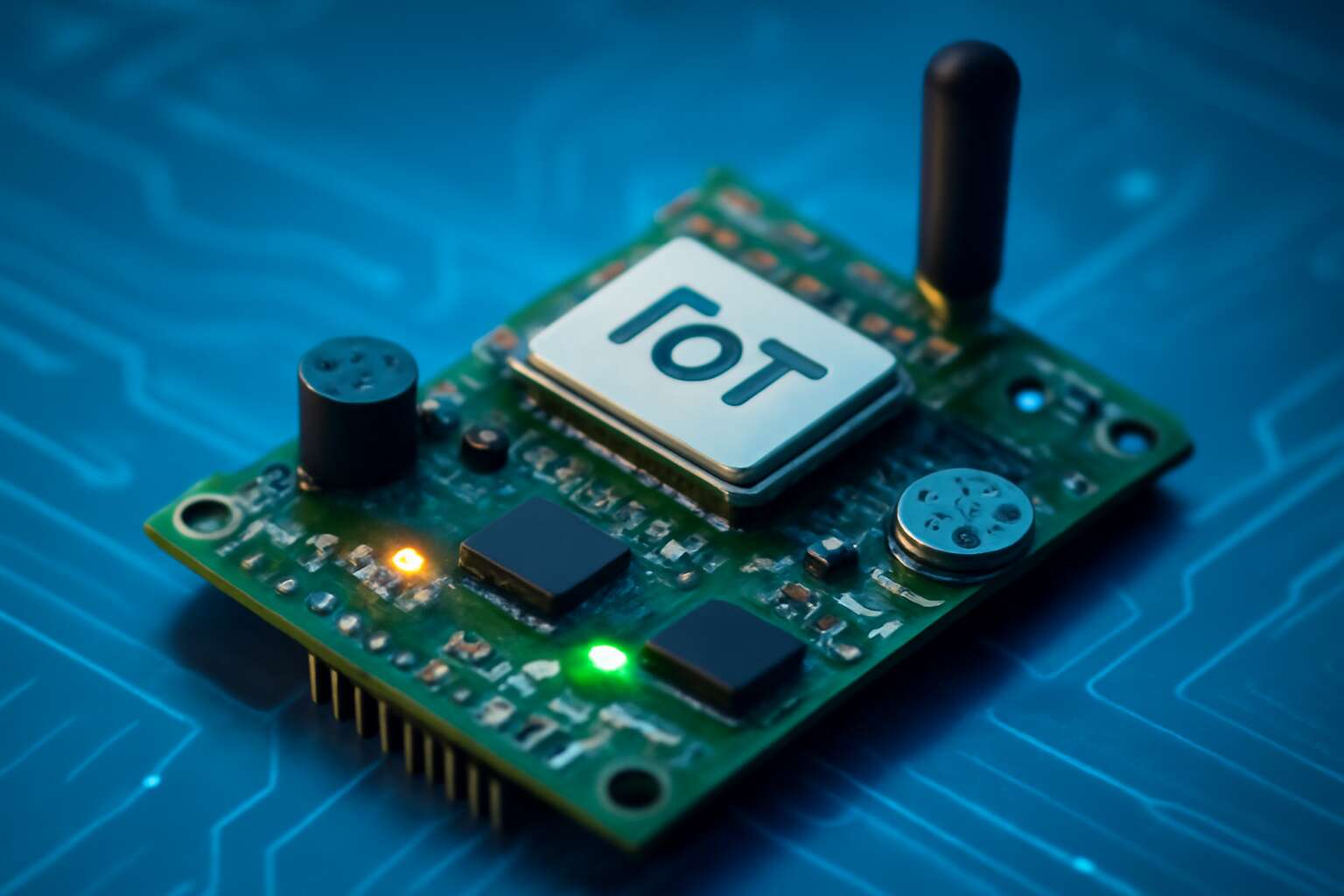
At the hardware core lie the microcontroller or system-on-chip, the wireless transceiver, and the power-management stage—a trio that keeps data alive on a whisper of energy. A well-chosen sensor, a secure element, and robust boot logic complete the aura of reliability. I look at the hardware core of the internet of things module and see its elegant economy, ready to meet Africa’s rugged environments.
- Microcontroller or System-on-Chip (SoC)
- Wireless transceiver (Wi‑Fi, Bluetooth, NB-IoT, LTE‑M)
- Power management and energy efficiency planning
Software and Connectivity
Global IoT deployments are multiplying so fast that by 2025 there will be roughly 41.6 billion connected devices. The real magic isn’t the silicon; it’s how software and connectivity turn that silicon into useful services. Understanding the software layer behind an internet of things module reveals a brainy, energy-thrifty system that hums in the background while machines chat with humans-less often than you’d think.
At the software core, the aim is a lean stack: real-time OS, secure boot, and dependable over-the-air updates, all within a tight energy budget. Protocols matter: MQTT for events, CoAP for constrained devices, or HTTP for dashboards. Security isn’t optional—TLS, a secure element, and robust device identity keep data honest. Edge processing and cloud handoffs share the stage, saving bandwidth and battery.
South Africa adds its own rhythm—rugged networks and on-site intelligence keep things talking.
Module Integration and Compatibility
Global deployments are surging, with forecasts pegging 41.6 billion connected devices by 2025. The real magic is how an internet of things module slots into a living system, turning raw silicon into dependable, service-ready intelligence.
Module integration hinges on practical compatibility: form factor, mounting, and power budgets that suit the field. The right adapters and pinouts keep your fleet speaking the same language, while platform-to-sensor interoperability ensures no device is left in the dark. A brittle mismatch can silence an entire line before dawn.
- physical footprint and enclosure fit
- power, thermal, and environmental tolerances
- interoperability with gateways and existing sensors
In South Africa, field resilience is king; the right internet of things module survives dusty sites and variable networks, turning rugged installation into reliable conversation among machines.
Choosing the Right Module
With 41.6 billion devices forecast by 2025, the bottleneck isn’t sensors—it’s the module that binds them into a chorus. Understanding the right internet of things module means looking past flashy specs toward real-world resilience, update paths, and regional support that keeps machines talking long after the sun goes down in South Africa.
The right choice blends a long lifecycle, a clear roadmap, and security with firmware over-the-air updates, ensuring a quiet, reliable heartbeat for your network. It should speak open interfaces, tolerate field conditions, and play nicely with gateways and sensors without requiring a translator at every junction.
- Lifecycle stability and supply chain confidence
- Security features and OTA firmware updates
- Regulatory certifications and rugged, field-ready design
In South Africa, resilience isn’t optional—it’s the default setting for any successful deployment.




0 Comments